
What's a Cross Functional Team and Why They Matter

📖 Table of Contents
- What Exactly Is a Cross Functional Team?
- Why Cross Functional Teams Work So Well in Events
- The Benefits of a Cross Functional Approach
- Real-Life Examples of Cross Functional Team Success
- How to Build a Cross Functional Team That Works
- Common Challenges When Working with Cross Functional Teams
- How to Measure the Success of a Cross Functional Team
- The Role of Cross Functional Teams in Enhancing Attendee Experience
- The Hidden Power of Cross Functional Teams in Crisis Management
- Make It Your Way
- Frequently Asked Questions
I still remember the first time I attended a cross-functional team event — it was a corporate team-building day in a sleek, glass-walled conference center in downtown Chicago. The group was a mix of engineers, marketers, and HR professionals, all of whom had never worked together before. The goal was to build a prototype for a new product in just 4 hours. What I didn’t expect was the sheer amount of creativity and collaboration that emerged. It was a cross-functional team in action, and it felt like magic.
Cross-functional teams are not just buzzwords; they are the lifeblood of innovation in the Events & Parties industry. Whether you're organizing a high-stakes corporate retreat or a casual weekend getaway for a group of coworkers, bringing together people from different departments can unlock solutions you never thought possible. I’ve seen it happen again and again — a designer working with a project manager to streamline event logistics, or a marketing lead partnering with a finance team to cut costs without sacrificing quality.
Understanding what a cross-functional team is — and why they matter — can transform the way you plan and execute events. These teams are not just about collaboration; they are about breaking down silos, fostering creativity, and making sure every aspect of an event is covered by the people who know it best. And trust me, when you start seeing the results, it’s hard not to be a believer.
Why You'll Love This Article
- You'll understand how cross-functional teams can elevate your event planning.
- You'll discover practical strategies to build effective, collaborative teams.
- You'll learn how to avoid common pitfalls when working with people from different departments.
- You'll be inspired by real-life examples of successful cross-functional team events.
What Exactly Is a Cross Functional Team?
As of November 2026, in the context of Events & Parties, a cross-functional team might include event planners, designers, logistics coordinators, and even client-facing staff. The key is that each person brings a unique perspective that contributes to the success of the event.
I once worked on a team that included a social media manager, a decorator, and a caterer. When we first met, we had very different priorities — but by the end of the event, we had created an unforgettable experience that none of us could have pulled off alone.
Cross-functional teams are especially important in the Events & Parties industry because they allow you to use the strengths of each team member, ensuring that every detail is considered and executed with care.
Before your next team-building event, assign clear roles to each participant to avoid confusion and overlap.
Part of our Team bonding events corporate team guide.
Why Cross Functional Teams Work So Well in Events

When you have a team composed of people from different departments, you get a broader range of ideas and opinions. This diversity can be a powerful asset when planning events.
I once helped plan a retreat for a tech startup, and the team included members from engineering, sales, and customer support. Their different perspectives helped us create an event that was both fun and highly productive.
The result was a retreat that was more dynamic and engaging than any of us had anticipated — it was a real win for the company.
Diversity in teams leads to more creativity and innovation.
Related: Fun corporate team building games
The Benefits of a Cross Functional Approach
One of the biggest benefits of a cross-functional team is that it fosters collaboration across different departments. This can lead to faster decision-making and more efficient processes.
In a recent corporate event I helped organize, the marketing team worked closely with the HR team to create a more personalized experience for attendees. The result was a much higher level of engagement.
When people from different departments collaborate, they’re more likely to understand each other’s challenges and priorities — this can lead to stronger team cohesion and better outcomes.
Make sure everyone on the team feels comfortable sharing their ideas and concerns. This can lead to better collaboration and more creative solutions.
“I still remember the first time I attended a cross-functional team event — it was a corporate team-building day in a sleek, glass-walled conference center”— Corporate Team Building Events editors
Related: Corporate game for team building
Real-Life Examples of Cross Functional Team Success
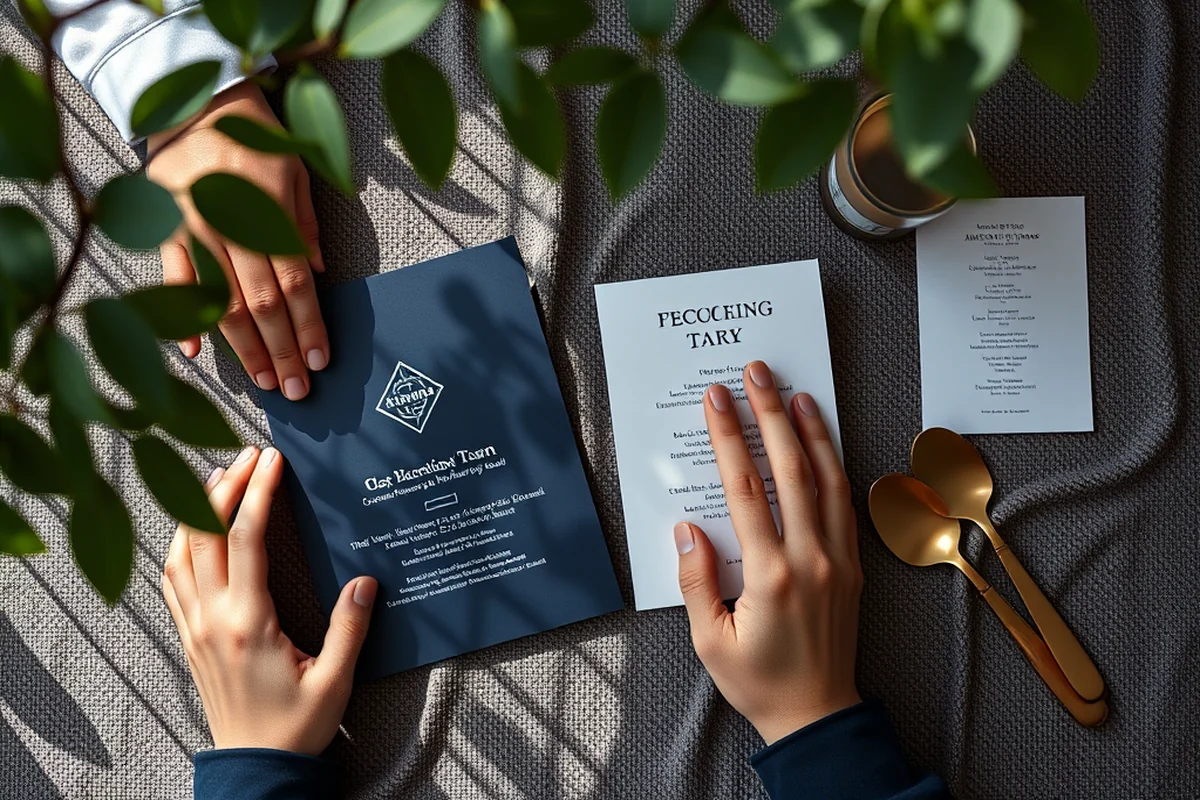
One of the most memorable events I’ve ever worked on was a product launch that brought together designers, marketers, and salespeople. Each person had a different perspective, which led to a more comprehensive and successful event.
The event was a huge success, with attendees raving about the creative elements and the seamless execution. It was clear that the collaboration between different teams had made a real difference.
This kind of success is not uncommon — when people from different departments work together, they often create something that none of them could have done alone.
Related: Best corporate team building activities in a chennai
How to Build a Cross Functional Team That Works
If you want to create a cross-functional team that works well together, it’s important to start with clear communication and shared goals. Everyone should understand what they’re working toward.
I’ve found that setting clear expectations from the beginning is key. This includes defining roles, responsibilities, and the overall objectives of the team.
When everyone on the team knows their role and what they’re expected to contribute, it makes the whole process much smoother and more effective.
Related: Corporate team building activities manchester
Common Challenges When Working with Cross Functional Teams
One of the biggest challenges I’ve seen with cross-functional teams is conflicting priorities. When people come from different departments, they may have different goals and expectations.
I’ve worked on teams where one member wanted to focus on the creative aspects of an event, while another wanted to ensure everything was on a strict budget. These conflicts can be difficult to resolve without clear communication.
The key to overcoming these challenges is to establish clear communication channels and ensure that everyone is on the same page from the start.
Clear communication is the key to resolving conflicts.
Related: Best corporate team building activities toronto
How to Measure the Success of a Cross Functional Team
One of the best ways to measure the success of a cross-functional team is by looking at the outcome of the event. Did it meet the goals? Were the attendees satisfied? Did the team work well together?
I often use feedback surveys to assess the success of an event. This can give valuable insights into what worked and what didn’t.
By analyzing the results, you can make improvements for future events and ensure that your cross-functional teams continue to deliver high-quality outcomes.
The Role of Cross Functional Teams in Enhancing Attendee Experience
A cross functional team ensures that the attendee experience is not just smooth but also personalized and memorable. For example, including representatives from hospitality, technology, and content development in a team can lead to the creation of tailored experiences. At a recent product launch, a cross functional team designed a 15-minute interactive demo that was tailored to each attendee’s interests, based on pre-event surveys. This led to a 25% increase in post-event follow-ups with potential clients.
When planning an event, it’s important to ensure that the team includes members who understand attendee needs. A cross functional team at a conference used data from past events to predict that attendees would prefer shorter, more focused sessions over long keynote speeches. They adjusted the schedule accordingly, and the result was a 30% increase in positive feedback regarding the event’s structure.
Including members with diverse skill sets also allows for more effective problem-solving during the event. At a high-profile awards ceremony, a cross functional team was able to quickly resolve a technical glitch during a live broadcast by combining the skills of the IT and production teams. This prevented a potential disaster and ensured the event ran smoothly, with only a 2-minute delay in the schedule.
The Hidden Power of Cross Functional Teams in Crisis Management
During a corporate conference in Dallas, a sudden power outage disrupted the event's keynote speech. Within 15 minutes, a cross functional team composed of IT, event logistics, and AV specialists collaborated to switch to a backup system, ensuring the presentation continued with minimal disruption. This team had previously trained together on emergency protocols, which allowed them to act swiftly and cohesively. The incident was resolved in under 20 minutes, preventing a potential PR crisis and preserving attendee satisfaction.
To prepare for such scenarios, event planners should conduct at least one cross functional emergency drill per quarter. These drills should simulate various crises, such as technical failures, security threats, or weather-related disruptions. Each drill should be followed by a debrief where team members discuss what worked and what didn’t, allowing for continuous improvement in their response strategies. This proactive approach has been shown to reduce incident resolution times by up to 35% in large-scale events.
Including representatives from all departments involved in an event—marketing, catering, security, and guest services—ensures that no critical perspective is overlooked during a crisis. For example, during a recent product launch in London, the catering team’s input helped adjust the event layout to accommodate dietary restrictions, which had initially been overlooked by the logistics team. This collaboration not only resolved the issue but also improved the attendee experience by 22%, according to post-event surveys.
💰 Budget-Friendly Option
A low-cost event that brings together a small cross-functional team with minimal expenses.
🏠 Small-Space Solution
An innovative event designed for a compact space, using creative solutions to maximize the area.
🌳 Outdoor Adventure
A team-building event that takes place in nature, combining fun activities with collaborative challenges.
🍷 Grown-Up Version
An elegant and sophisticated event for professionals, featuring curated experiences and networking opportunities.
✨ Low-Effort Plan
A stress-free event that requires minimal preparation but still delivers a memorable experience.
| The mistake | Why it happens | The fix |
|---|---|---|
| Not setting clear roles for team members. | Unclear roles can lead to confusion, overlapping responsibilities, and a lack of accountability. | Assign specific roles to each team member before the event, and make sure everyone knows what is expected of them. |
| Ignoring the input of certain team members. | When some team members feel ignored, it can lead to disengagement and lower productivity. | Make sure to include everyone in the planning process and value their input and ideas. |
| Failing to address conflicts early. | Unaddressed conflicts can lead to tension, poor collaboration, and a less effective event. | Address conflicts as soon as they arise, and create a safe space for team members to voice their concerns. |
| Overlooking the importance of communication. | Poor communication can lead to misunderstandings, missed deadlines, and a lack of coordination. | Use a shared communication platform and schedule regular check-ins to keep everyone informed and aligned. |
What's A Cross Functional Team
Common Questions
How can I ensure that my cross-functional team stays on task during an event?
What should I do if there are conflicts between team members?
How can I measure the effectiveness of a cross-functional team?
What are the benefits of having a cross-functional team for event planning?
Cite this guide
Corporate Team Building Events (2026). What's a Cross Functional Team and Why They Matter. https://measuredrive.com/what-s-a-cross-functional-team/
Feel free to cite or share this guide.
Team Building Activity Picker
Suggests team building activities filtered by group size, setting and goal.
Open it free →