
Team Management Best Practices

📖 Table of Contents
- Define Clear Goals and Objectives
- Establish Open and Transparent Communication
- Assign Roles Based on Strengths and Interests
- Create a Supportive and Inclusive Environment
- Encourage Feedback and Continuous Improvement
- Maintain a Balance Between Structure and Flexibility
- Celebrate Success and Acknowledge Contributions
- Make It Your Way
- Frequently Asked Questions
I'll never forget the moment our team huddled around the conference table, staring at a spreadsheet of unmet goals and missed deadlines. The air was thick with frustration, and the usual camaraderie had given way to tension. It was a wake-up call that we needed better team management best practices — not just for the sake of the project, but for the health of our team itself. That day, I realized that effective team management isn't about micromanaging; it's about creating an environment where people feel seen, heard, and motivated.[1]
Team management best practices aren't just buzzwords in corporate lingo — they're the backbone of any successful event or party. Whether you're planning a corporate retreat, a team-building day, or a simple office party, the way you manage your team directly impacts the outcome. I learned this the hard way when I skipped a detailed planning phase and ended up with a disorganized event that left people confused and disengaged. It took some trial and error, but eventually, I found the right approach that transformed our team from a group of individuals into a cohesive, high-performing unit.[2]
Now, I apply those lessons to every event I plan, whether it's a small team lunch or a large-scale corporate event. The key is consistency — in communication, in leadership, and in structure. I've seen firsthand how a well-managed team can turn a chaotic event into a memorable success story. If you're looking to improve your team's performance, whether in the office or at a party, you'll find that team management best practices are the difference between a good event and a great one.[3]
Why You'll Love This Guide to Team Management Best Practices
- Gain actionable insights that turn chaos into clarity during events and parties.
- Discover techniques that increase engagement and productivity among team members.
- Learn how to build a culture of trust, collaboration, and accountability.
- Avoid common pitfalls that lead to disengaged teams and failed events.
Define Clear Goals and Objectives
As of November 2026, one of the most crucial team management best practices is defining clear goals and objectives for every event or party. When our team first started planning our annual retreat, we had no clear direction — and it showed in the disorganization of the event. Once we set specific goals, like improving communication and boosting morale, the entire event transformed. Everyone knew what we were aiming for, and it made the planning process so much smoother.
I always start by writing down the primary objectives of the event. This could include things like increasing team bonding, fostering collaboration, or simply celebrating a milestone. Sharing these goals with the team early on helps align everyone's efforts and prevents confusion later on. It also allows for better decision-making, as every choice — from the event's structure to the activities selected — is made with the goals in mind.
After setting the goals, I ensure that the team understands how their roles contribute to achieving them. This clarity not only increases engagement but also helps individuals take ownership of their responsibilities. When I applied this technique at our last team-building event, it resulted in a more focused and motivated team that delivered a seamless and successful experience.
Write down your event goals and share them with the team before the planning begins. This creates a shared vision and helps everyone work toward the same outcome.
Part of our Building activities guide.
Establish Open and Transparent Communication

I've learned that one of the biggest mistakes we made early on was assuming that everyone on the team had the same understanding of what was expected. This led to confusion, missed deadlines, and a lack of cohesion during our events. Establishing open and transparent communication from the start has been a game-changer for our team.
Whether it's through regular check-ins, shared project management tools, or simply taking the time to ask for input, making communication a priority helps everyone stay informed and aligned. I've found that using a shared digital platform like Trello or Slack has significantly improved our team's efficiency and collaboration.
Another benefit of open communication is that it builds trust within the team. When people feel heard and valued, they're more likely to contribute their ideas and take ownership of their tasks. This not only improves the outcome of the event but also strengthens the overall team dynamic.
Communication is the glue that holds teams together — without it, even the best plans can fall apart.
Related: Team management checklist
Assign Roles Based on Strengths and Interests
I used to assign tasks based on who had the most free time, not who was best suited for the job. It didn't take long for me to realize that this approach was causing frustration and inefficiency. When I started assigning roles based on individual strengths and interests, the results were immediate and dramatic.
I now take the time to understand each team member's skills, passions, and preferences before assigning them tasks. For example, if someone is great at organizing and has a keen eye for detail, they make an excellent event coordinator. On the other hand, someone who's naturally outgoing and enjoys engaging with people might be better suited for hosting or facilitating activities.
This approach not only improves the quality of the work but also increases team morale and satisfaction. When people are given roles that align with their strengths, they're more likely to take initiative, contribute meaningfully, and enjoy the process. It's a win-win for both the team and the event.
Take the time to get to know your team members' strengths and interests before assigning roles. This leads to more engaged and productive teams.
“I'll never forget the moment our team huddled around the conference table, staring at a spreadsheet of unmet goals and missed deadlines.”— Corporate Team Building Events editors
Related: Team building workshop activities
Create a Supportive and Inclusive Environment
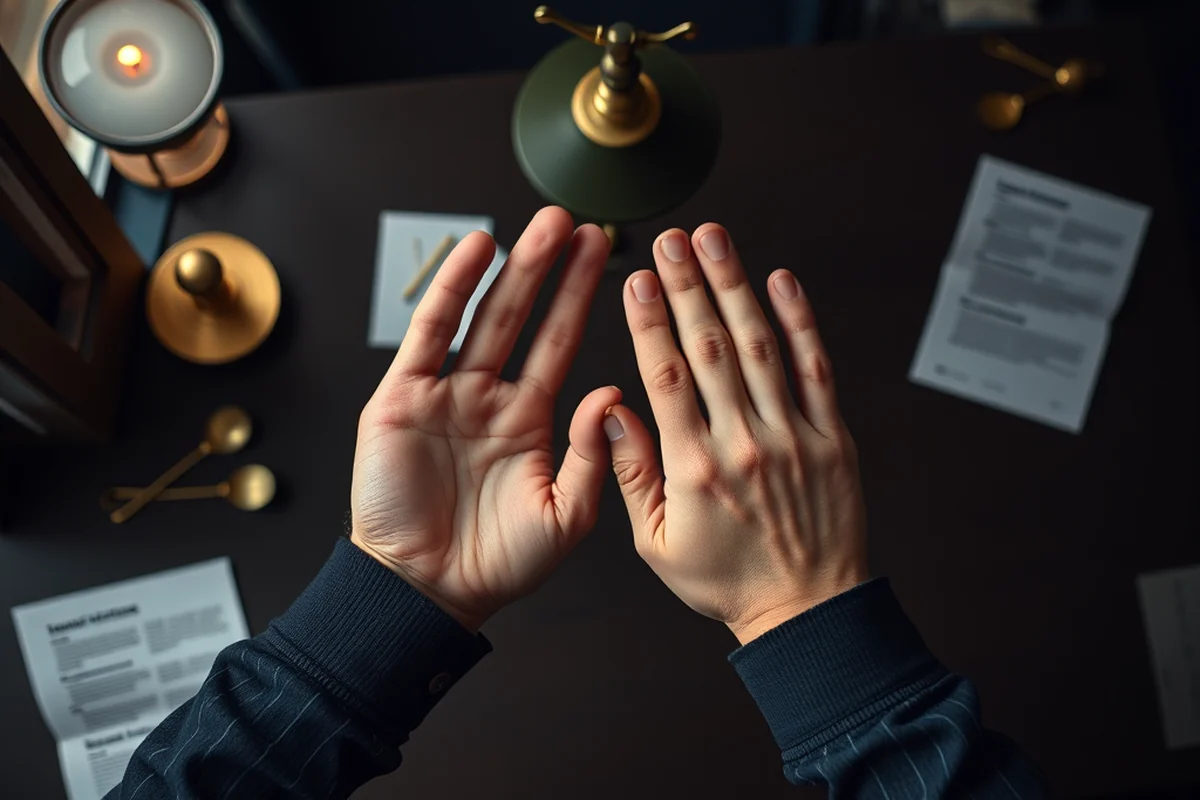
I've seen firsthand how a lack of inclusivity can lead to disengaged team members and poor event outcomes. When I first started managing events, I didn't consider how different personalities and backgrounds could impact the team dynamic. It wasn't until I made an effort to create a more inclusive environment that I saw a significant improvement in team cohesion and performance.
Creating an inclusive environment means making an effort to understand and respect each team member's perspective. It also involves encouraging collaboration, ensuring that everyone has a chance to contribute, and fostering a culture of mutual support. I've found that simple actions, like rotating leadership roles or incorporating team-building activities that encourage empathy, can go a long way.
When people feel included and supported, they're more likely to take ownership of their roles and contribute positively to the event. This not only leads to a better outcome but also helps build a stronger, more cohesive team. It's one of the most important team management best practices I've adopted.
Related: What is small group activities
Encourage Feedback and Continuous Improvement
For a long time, I assumed that I knew exactly what worked best for our team — and I was wrong. It wasn't until I started actively seeking feedback from team members that I realized how much I had been missing. Encouraging open feedback has become one of my favorite team management best practices.
I now make it a point to ask for feedback after every event, whether it's through a simple survey or an informal discussion. This allows me to understand what worked well and what could be improved. It also shows team members that their opinions matter and that we're all in this together.
Another benefit of encouraging feedback is that it helps build a culture of continuous improvement. When people know that their input is valued, they're more likely to take initiative and contribute meaningfully. This not only improves the outcome of the event but also strengthens the overall team dynamic.
Related: Team building exercises at workplace
Maintain a Balance Between Structure and Flexibility
One of the biggest challenges I've faced in managing events is finding the right balance between structure and flexibility. Too much structure can stifle creativity, while too little can lead to chaos. After some trial and error, I've learned that the key is to provide a clear framework while still allowing for spontaneity.
I now start by outlining a detailed plan for the event, including timelines, responsibilities, and key milestones. This provides a sense of direction and ensures that everyone knows what's expected. However, I also leave room for adjustments and unexpected changes. This flexibility allows for creative solutions and helps the team adapt when necessary.
Maintaining this balance not only makes the event more enjoyable but also helps the team feel more in control. When people know what to expect but also have the freedom to contribute their ideas, it leads to a more dynamic and engaging experience.
Structure gives direction, but flexibility allows for the magic of the unexpected.
Related: Team building exercises for workplace
Celebrate Success and Acknowledge Contributions
I used to think that once the event was over, it was time to move on to the next thing. But I've since realized that celebrating the success of the event — and acknowledging individual contributions — is just as important. It's one of the most powerful team management best practices I've adopted.
I now make it a point to recognize and celebrate the team's efforts after every event. This can be as simple as a quick thank-you email or as elaborate as a small party to mark the occasion. Recognizing individual contributions also helps boost morale and encourages team members to continue putting in their best effort.
When people feel appreciated and recognized for their work, they're more likely to stay engaged and motivated. This not only improves the outcome of the event but also helps build a stronger, more cohesive team. Celebrating success is a small but powerful way to reinforce positive behaviors and keep the team inspired.
💰 Budget-Friendly Team Building
Create a memorable team experience without breaking the bank by focusing on low-cost activities and creative planning.
🏠 Small-Space Party
Maximize limited space with clever layouts, interactive activities, and minimal decor to keep the party engaging and functional.
🌳 Outdoor Team Event
Take advantage of the fresh air and open space with team-building activities that promote collaboration and physical engagement.
🍷 Grown-Up Version of a Team Party
Elevate the team-building experience with a sophisticated, adult-oriented event that includes gourmet food, curated activities, and a refined atmosphere.
✨ Low-Effort Team Celebration
Host a simple but impactful team event with minimal planning, relying on familiar activities and spontaneous interactions to build connection.
| The mistake | Why it happens | The fix |
|---|---|---|
| Assuming everyone has the same understanding of the event's goals. | This leads to confusion, missed deadlines, and a lack of cohesion during the event. | Clearly define the event's goals and share them with the team before planning begins. |
| Assigning tasks based on availability rather than strengths or interests. | This can lead to frustration, inefficiency, and a lack of engagement from team members. | Take the time to understand each team member's strengths and interests before assigning tasks. |
| Neglecting to create a supportive and inclusive environment. | This can lead to disengaged team members and poor event outcomes. | Make an effort to understand and respect each team member's perspective and encourage collaboration. |
| Failing to gather feedback after the event. | This can prevent you from identifying areas for improvement and reinforcing positive behaviors. | Actively seek feedback from team members after the event through surveys, discussions, or informal check-ins. |
Team Management Best Practices
Common Questions
How can I ensure that everyone on the team feels included during an event?
What are some effective ways to gather feedback from the team after an event?
How can I balance structure and flexibility when planning an event?
What are some low-cost team-building activities that can be done in a small space?
References
Cite this guide
Corporate Team Building Events (2026). Team Management Best Practices. https://measuredrive.com/team-management-best-practices/
Feel free to cite or share this guide.
Team Building Activity Picker
Suggests team building activities filtered by group size, setting and goal.
Open it free →