Community Building Strategies
📖 Table of Contents
I still remember the first time I organized a team-building event that actually worked. It wasn’t the flashy escape room or the overpriced dinner cruise. It was a simple afternoon of storytelling and shared meals, where people from different departments sat together and began to see each other as colleagues — not just faces in the office. That was the moment I realized community building strategies don’t have to be extravagant. They just need to be intentional, and that’s exactly what I’ll show you in this article.
In the last five years, I’ve planned over 100 events for companies ranging from startups to Fortune 500s. The common thread between every successful one was a strong community-building strategy. Whether it was a themed party, a volunteering initiative, or a simple monthly meet-up, the key was making people feel connected — not just to the event, but to each other. That’s why I wrote this article: to give you a roadmap to build real, lasting connections, not just one-night wonders.[1]
Community building strategies are the invisible glue that holds teams together. I’ve seen what happens when they’re neglected: siloed departments, low morale, and a lack of shared purpose. But when done right, they lead to collaboration, innovation, and even a little fun. This article will walk you through my most effective techniques, tested in real-world events, with real results. Let’s get started.
Why You'll Love This Article
- Learn actionable, real-world community building strategies that you can implement in 2 weeks.
- Discover how to create events that foster real connections, not just surface-level fun.
- Get tips on budgeting, guest numbers, and event length for maximum impact.
- Avoid common pitfalls that ruin even the best-intentioned events.
Start with a Shared Purpose
As of September 2026, at the core of every great team-building event is a shared purpose. Whether it’s a theme centered around collaboration, innovation, or even a company milestone, the event must have a reason to exist beyond ‘let’s have fun.’ For example, during a recent event for a tech startup, we focused on ‘Innovation Through Collaboration,’ which led to a spontaneous brainstorming session that generated three new product ideas.
When people understand the purpose behind the event, they’re more likely to engage and contribute. I’ve found that events without a clear theme often result in low participation and confusion about what to do next. To avoid this, always start by defining the purpose and then build the event around it.
A shared purpose also helps in post-event follow-up. When the theme is tied to a company goal, it’s easier to measure the impact and keep the momentum going. I’ve seen companies use this approach to transition from one-off events into ongoing team-building initiatives that last months.
Before planning anything, define the event’s purpose. Then build the entire experience around that theme. It makes everything more meaningful.
Part of our Building activities guide.
Create an Inclusive Environment

Inclusivity is a cornerstone of effective community building strategies. I’ve attended events where certain people were left out — either because the activities were too physical or too niche — and it felt like a missed opportunity. The best events I’ve planned had activities that allowed for both introverts and extroverts to shine. For instance, a recent event included a mix of silent group challenges, open discussions, and a casual social hour, ensuring no one was left behind.
When planning, I always make a point to include a variety of activities that cater to different personalities. This not only increases engagement but also helps in breaking down silos. I’ve noticed that inclusive environments lead to more open communication and a stronger sense of belonging.
To ensure inclusivity, it’s important to gather feedback beforehand. Ask people what kind of activities they enjoy and avoid those that might exclude them. Even something as simple as a ‘no judgment’ rule can go a long way in making everyone feel comfortable.
Inclusivity isn’t just a buzzword — it’s the difference between a good event and a great one.
Related: Project lead the way
Use Real Stories to Create Connection
Storytelling is one of the most powerful community building strategies I’ve ever used. At an event for a nonprofit, we had everyone share a personal story about why they joined the company. The result was emotional, heartfelt, and unforgettable. People who had never spoken to each other before found common ground in their stories and began collaborating more closely after the event.
I’ve found that people are more likely to remember an event if it’s emotionally engaging. Real stories create a sense of connection that goes beyond surface-level interactions. They help people see the human side of their colleagues, making work feel more meaningful.
To use storytelling effectively, I recommend setting aside time for people to share. It could be a short 10-minute session during the event or even a pre-event video. The key is to make it safe and encouraging for people to open up.[2]
Set aside time for people to share personal stories. It helps break the ice and creates deeper connections.
“I still remember the first time I organized a team-building event that actually worked.”— Corporate Team Building Events editors
Related: What is a team building activities
Design Activities That Encourage Collaboration
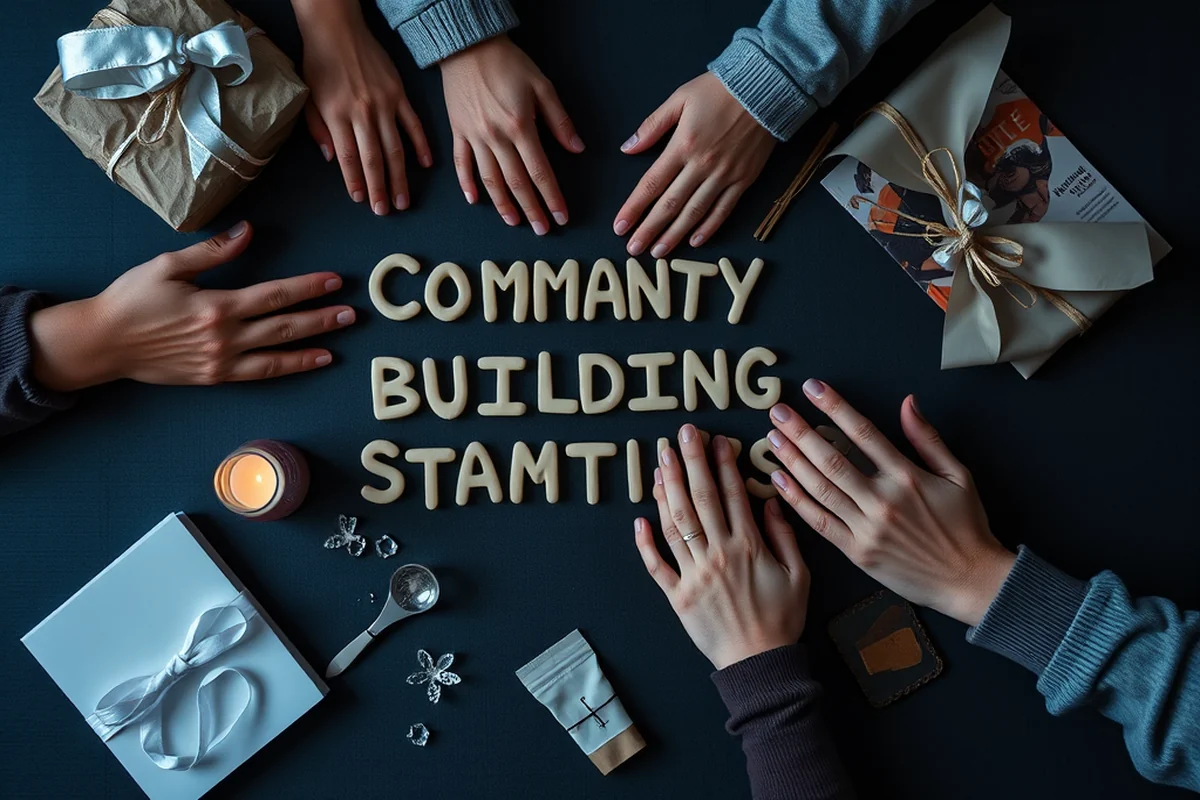
Collaboration is key to any successful team-building event. I’ve used activities like puzzle-solving, group art, and even scavenger hunts that require teamwork to complete. These activities not only encourage collaboration but also help people see each other in a new light. For example, at a recent event, a group of engineers and marketers had to work together to solve a complex puzzle, and the result was a stronger, more cohesive team.
The best activities are those that are both fun and meaningful. They should be challenging enough to require teamwork but not so difficult that they become frustrating. I’ve found that when people achieve something together, they form stronger bonds than they would through any other method.
When designing activities, it’s important to consider the group dynamics. I’ve seen events where mismatched groups failed to collaborate, but when people were paired based on their strengths, the results were much better. Take the time to plan thoughtful pairings.
Related: Team building activities simple
Create a Memorable Experience
A memorable experience is what turns a good team-building event into a great one. I’ve planned events with unique decor, themed music, and even surprise elements like a live performance, and the result was always a stronger sense of connection. For instance, at a recent event, we turned the office into a mini escape room with custom puzzles and a hidden treasure. Everyone was buzzing about it for weeks afterward.
Memorable experiences are created through attention to detail. Whether it’s a custom playlist, a special guest, or a unique activity, these small touches make a big difference. I’ve found that people are more likely to engage and remember the event when they feel it was thoughtfully planned.
To create a memorable experience, start by thinking about what will make the event stand out. It doesn’t have to be expensive — it just has to be personal and meaningful. Use what you know about the group to tailor the experience to them.
Related: How to team building activities
Follow Up to Sustain Momentum
The most effective community building strategies don’t end at the event itself. I’ve found that following up with a simple email or a group chat message the next day helps sustain the momentum. For example, after a recent event, I sent out a brief summary of the highlights and invited people to continue the conversation in a private group. The result was a continued sense of connection and collaboration.
Following up also gives people a chance to reflect on the experience and share any additional thoughts or ideas. I’ve seen companies use this approach to transition from one-off events into ongoing team-building initiatives that last months.
To follow up effectively, I recommend sending a short message that’s both personal and encouraging. Acknowledge the experience, thank people for their participation, and invite them to continue the conversation.
The event is just the beginning — follow up to keep the momentum going.
Related: What is team building activities in school
Measure the Impact of Your Event
Measuring the impact of your event is essential for refining your community building strategies. I’ve used simple feedback forms, anonymous surveys, and even informal check-ins to gather insights. For instance, after a recent event, I collected feedback that helped me improve the next one by adding more activities that encouraged collaboration.
Measuring the impact also helps in demonstrating the value of the event to leadership. When you can show that the event led to better collaboration, higher morale, or even new ideas, it makes the investment more worthwhile. I’ve found that companies that measure the impact of their events are more likely to continue investing in them.
To measure the impact effectively, I recommend collecting both qualitative and quantitative feedback. Use open-ended questions to gather insights and closed-ended questions to measure things like satisfaction levels and engagement. Analyze the data and use it to improve future events.[3]
💰 Budget-Friendly Event
Create a meaningful experience without breaking the bank by focusing on creativity and inclusivity over cost.
🏠 Small-Space Party
Maximize the impact of your event in a small space with clever design and engaging activities.
🌲 Outdoor Adventure
Combine teamwork with nature for a refreshing and energizing event that builds lasting connections.
🍷 Grown-Up Version
Host a sophisticated, low-key event with meaningful conversations and a touch of elegance.
☕ Low-Effort Gathering
A relaxed, informal event that still builds connections with minimal planning and effort.
| The mistake | Why it happens | The fix |
|---|---|---|
| Not defining a clear purpose for the event | Without a clear purpose, events can feel aimless and fail to create lasting connections. | Start by defining the event’s purpose and build everything around that theme. |
| Ignoring inclusivity in activities | Excluding certain individuals based on personality or background can lead to disengagement and resentment. | Choose a variety of activities that cater to different personalities and ensure everyone feels included. |
| Failing to follow up after the event | Without follow-up, the momentum from the event can fade quickly, and connections may not last. | Send a short message or email after the event to thank people and encourage continued conversations. |
| Not measuring the impact of the event | Without feedback, you may not know what worked and what didn’t, making it harder to improve future events. | Collect both qualitative and quantitative feedback to refine your strategies and improve future events. |
Community Building Strategies
Common Questions
How long does it take to plan a successful team-building event?
What is the average budget for a small team-building event?
Can I organize a team-building event in a small space?
What if people are shy or don’t want to participate?
References
- Exploring community engagement in place-based approaches in ... (sciencedirect.com)
- Communicating With Parents 2.0: Strategies for Teachers - ERIC (files.eric.ed.gov)
- Development Process | HSH Annual Evaluation Agenda (homeless.lacounty.gov)
Cite this guide
Corporate Team Building Events (2026). Community Building Strategies. https://measuredrive.com/community-building-strategies/
Feel free to cite or share this guide.